 For everyone
Red flags & safety
For everyone
Red flags & safety
Am I being love bombed?
Published · 8 min read · By Julia, 4Keeps
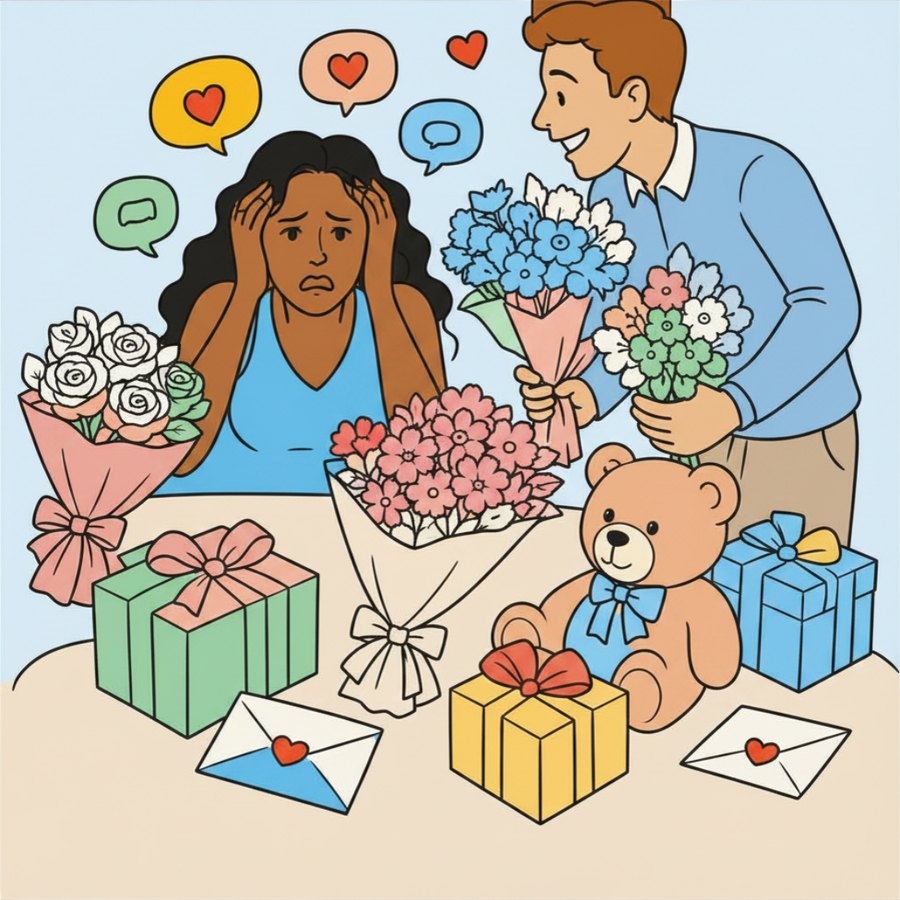
It feels like the great romance of your life. Within days they're texting good morning and goodnight, calling you their soulmate, planning the trips you'll take and the names of the kids you'll have. Nobody has ever paid this much attention to you this fast. And a quiet part of you wonders: is this what real love finally feels like, or is something off? That instinct is worth listening to. Overwhelming early intensity has a name when it's being used to hook you, and it's called love bombing. Here's how to tell the difference before you're in too deep to see clearly.
Healthy love makes you feel steadier over time. Love bombing makes you feel dizzy, indebted, and afraid to disappoint them. The feeling in your body is the first clue.
What love bombing actually is
Love bombing is a pattern of excessive attention, affection, and grand gestures delivered early and fast, used (consciously or not) to accelerate intimacy and create a sense of obligation. It isn't just "being really into you." The tell is that the intensity is out of proportion to how well you actually know each other, and it comes with strings: the more they pour on, the more they expect access, compliance, and priority in return. It's the opening act of a cycle, not a personality trait.
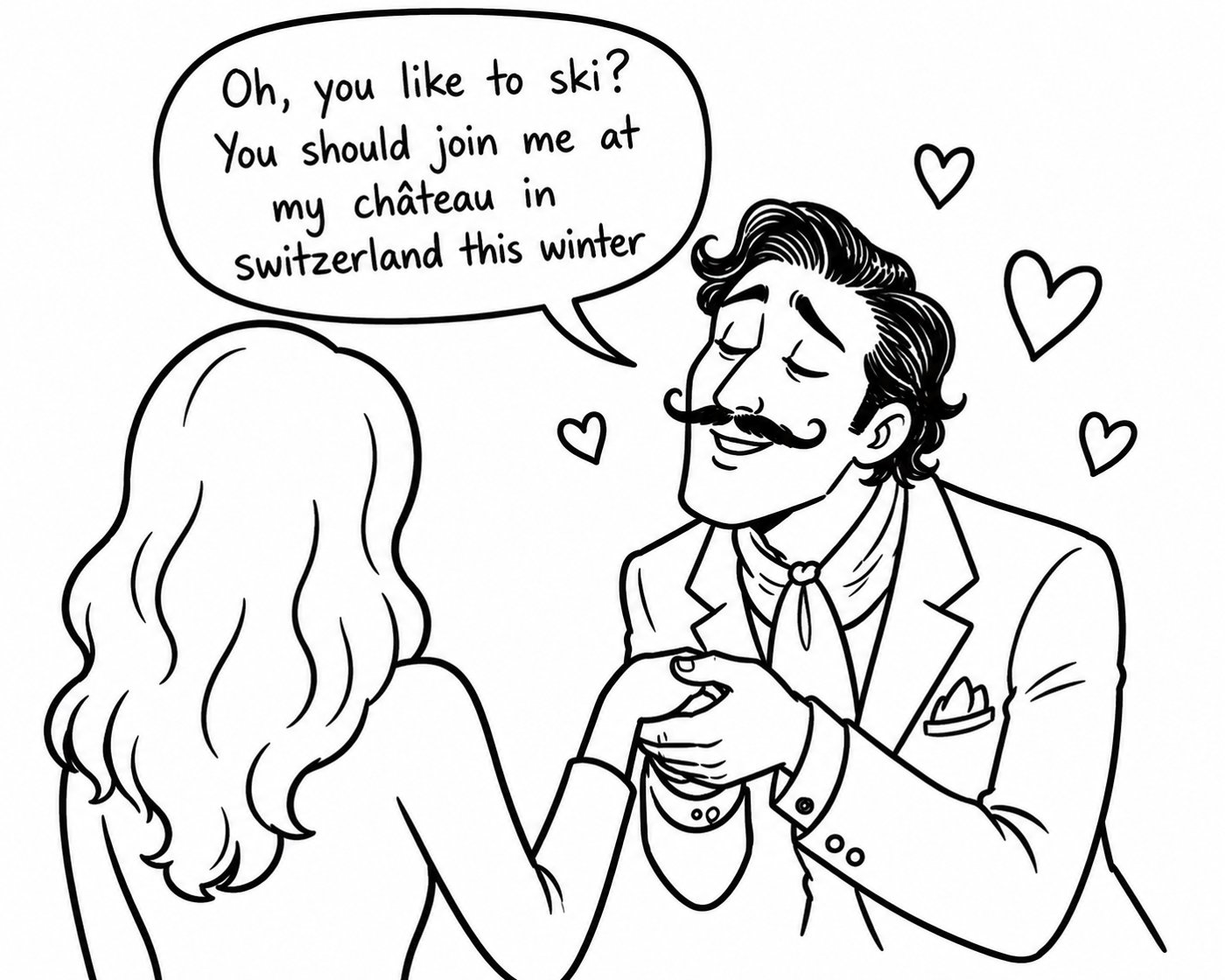
The overt version is loud. It looks like:
- Instant "soulmate" talk. They say they've never felt this way, that you're perfect, that this was meant to be, within days or weeks of meeting.
- An avalanche of contact. Constant texts, calls, and messages; visible anxiety or irritation if you don't respond quickly.
- Extravagant, disproportionate gifts. Lavish presents, expensive dinners, or grand romantic gestures far too early, often followed by reminders of how much they've "done for you."
- Rushing every milestone. Pushing to be exclusive, to move in, to say "I love you," or to meet the family before you've had time to actually know them.
- Demanding all of your time. Wanting to see you constantly and subtly (or openly) resenting your friends, hobbies, and space.
Future faking: promises as a hook
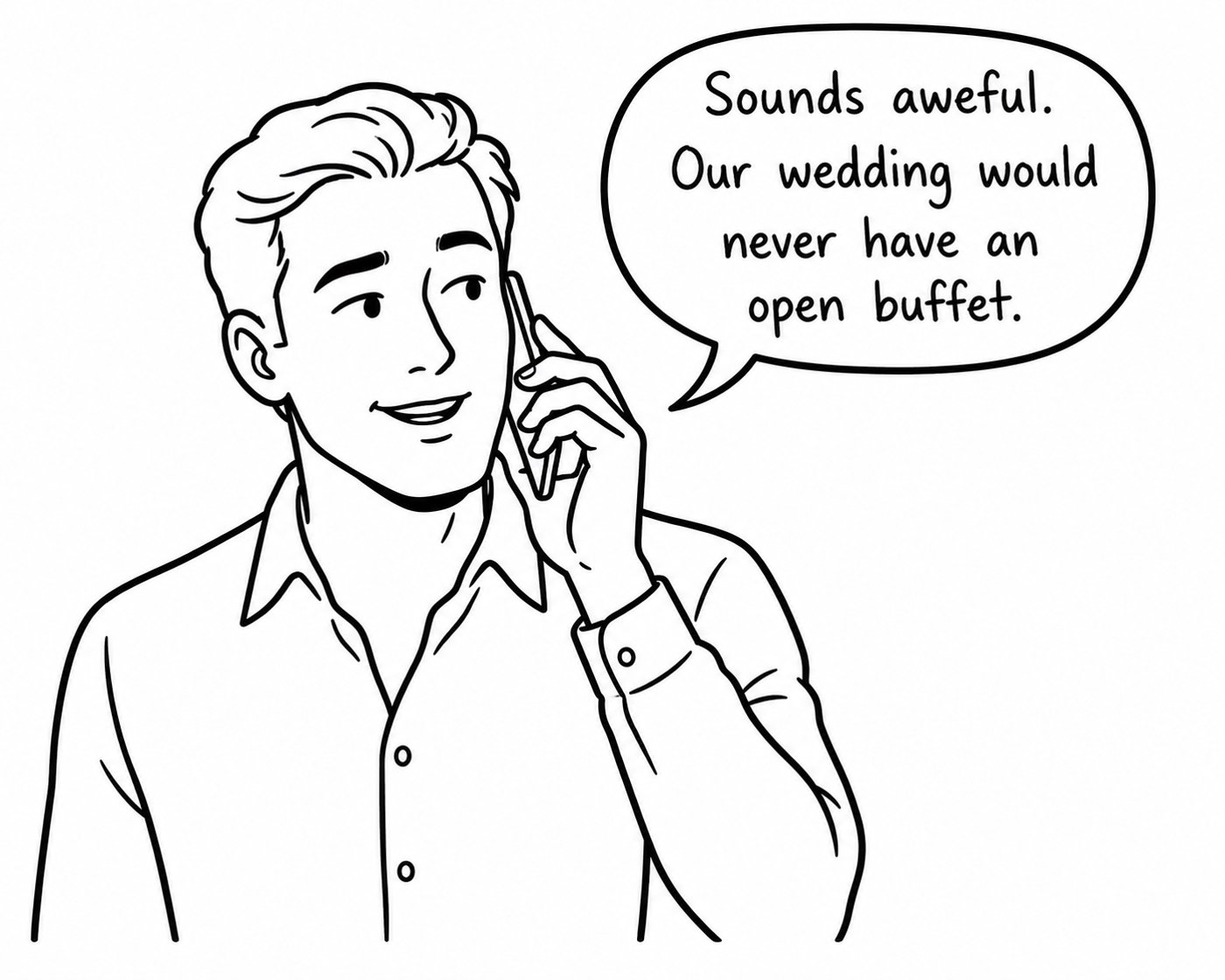
Love bombing's close cousin is future faking: painting a vivid, detailed future to secure your commitment now, with no real intention (or ability) to deliver it. The wedding, the house, the business you'll build together, the countries you'll see: all described early, in cinematic detail, before the relationship has earned any of it. Future faking works because it gets you emotionally invested in a version of your life that only exists if you stay. When the promises quietly never materialize (the plans keep slipping, the timeline keeps moving), you've already reorganized your hopes around them.
The distinction that matters: healthy partners make promises roughly the size of the trust they've actually built, and then they keep them. Future fakers make enormous promises early and keep almost none. Watch the gap between what someone says and what they consistently do: that gap is the whole story.
The subtle version is harder to catch
Not all love bombing looks like roses and helicopters. The more dangerous form is quiet, and it hides inside things that look like care. This is the version that keeps smart, self-aware people stuck for months, because every individual moment is deniable.
- Care that doubles as surveillance. “I just want to know you're safe” becomes needing to know where you are, who you're with, and why you didn't text back.
- Gifts and favors that become a ledger. The generosity is real until you set a boundary, then it's suddenly a list of everything they've sacrificed for you.
- Intensity reframed as your fault. If the pace overwhelms you, you're “not as invested,” “emotionally unavailable,” or “afraid of real love.”
- Flattery that erodes your other relationships. “No one gets you like I do,” “your friends are jealous of us,” “your family doesn't want you to be happy”, slowly making them the only safe person.
- Guilt dressed as devotion. “I can't sleep when we fight,” “I've never let anyone this close”, so any distance you take feels like cruelty.
Love bombing vs. genuine intensity
Not every whirlwind is a trap. Some people genuinely fall fast and mean it. The difference isn't the speed of the feeling; it's how they handle your autonomy, your boundaries, and time.
| Love bombing | Healthy intensity |
|---|---|
| Your boundaries are treated as rejection or betrayal | Your boundaries are respected, even welcomed |
| Affection comes with pressure, urgency, and debt | Affection is freely given, with no scoreboard |
| Wants to isolate you from friends and family | Wants to meet and be woven into your world |
| Grand promises early; little follow-through | Promises match the trust built, and get kept |
| You feel anxious, dizzy, and afraid to disappoint them | You feel calmer and more secure over time |
| Intensity that shrinks your life | Intensity that expands it |
Why it works on good people
If you've fallen for it, you're not foolish; you're human. Love bombing hijacks real, healthy wiring: we're built to bond with people who show us intense attention and care. It often escalates into an idealize–devalue–discard cycle, where the same person who put you on a pedestal begins to criticize and withdraw, and you find yourself working harder to earn back the version of them you met at the start. That intermittent reward (warmth, then cold, then warmth again) is chemically one of the stickiest patterns there is. It's not a comment on your intelligence. It's a well-worn hook.
What to do if this is you
- Slow the timeline down on purpose. Real compatibility survives a slower pace; a manipulation usually can't. If someone can't tolerate you taking things slowly, that is your answer.
- Set one small boundary and watch the reaction. Say you're busy one evening. A healthy partner shrugs; a love bomber punishes, guilts, or escalates. The response tells you almost everything.
- Track promises against actions over time. Write down the big things they say will happen. Do they, on the timelines given? The gap is the truth.
- Keep your people close. Don't let anyone become your only source of reality. Isolation is the mechanism; your friends and family are the antidote.
- Trust the body, not the highlight reel. Chronic anxiety, walking on eggshells, and a shrinking world are data. Feeling steadier and freer is data too.
If any of this is ringing true and you feel unsafe, that's beyond the scope of a dating article; reach out to someone you trust or a professional. In the U.S., the National Domestic Violence Hotline (1-800-799-7233) is free, confidential, and available 24/7.
And if you want to understand the broader map of what to watch for early, it pairs well with our guide to green flags, red flags, and dealbreakers and the screening questions that rule them out.