 Knowing what you want
Green flags, red flags, and real dealbreakers
Published · 7 min read · 4Keeps training library
Most dating advice tells you to "watch for red flags," but it rarely explains the difference between a genuine warning sign, a true dealbreaker, and a quirk you've blown out of proportion. Confusing them is how people either tolerate too much or walk away from someone good. Learn to sort them, and you'll waste far less time on the wrong people, and far less doubt on the right ones.
Three categories people constantly mix up
Almost every dating worry falls into one of three buckets. Naming the bucket tells you what to do about it.
| What you're noticing | What it usually is, and what to do |
|---|---|
| You want different lives (kids, location, faith, lifestyle) | Dealbreaker. Honor it early and kindly; love won't dissolve it |
| A behavior that predicts harm (contempt, dishonesty, control) | Red flag. Believe it; it tends to worsen, not improve |
| Something that's just unfamiliar or imperfect | Not a flag. Stay curious before you judge |
Dealbreakers vs. red flags
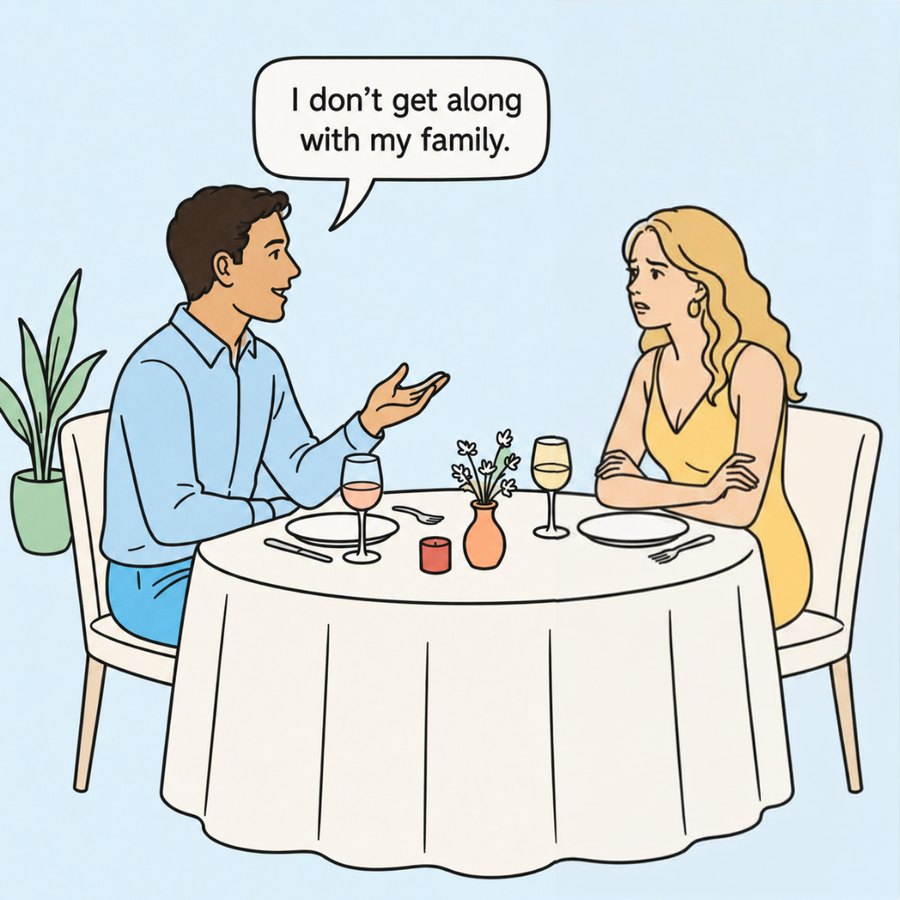
A dealbreaker is a fundamental incompatibility. It's not about the person being bad; it's about the two of you wanting different lives. Wanting children when they don't. Needing to live in different parts of the country. A core values mismatch that no amount of love will dissolve. Dealbreakers are usually clear and stable, and the kindest thing is to honor them early, for both of you.
A red flag is a behavior that predicts harm: dishonesty, contempt, controlling tendencies, an unwillingness to take responsibility, or how they treat people who can do nothing for them. Red flags aren't about compatibility, they're about character, and they tend to get worse, not better, with time.
The distinction matters because the response is different. A dealbreaker means "you're both good people who want different things." A red flag means "this person's behavior will likely cost you." One deserves respect; the other deserves distance.
The subtle red flags that hide in plain sight
The obvious ones, yelling, lying, disappearing, are easy. The costly ones are quieter:
- Everything is someone else's fault. Every ex was "crazy," every boss unfair, every friendship a betrayal. The common denominator is telling.
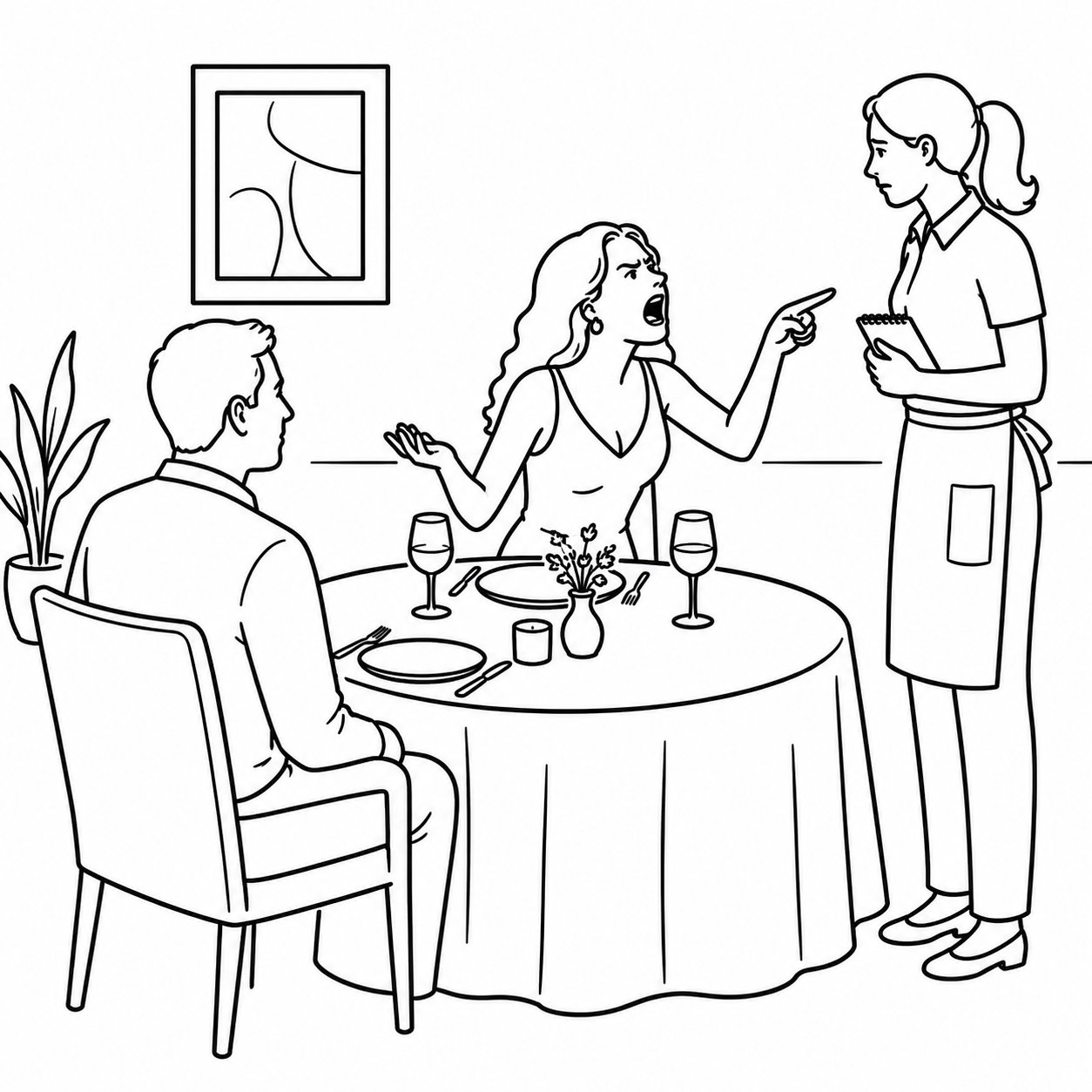
- Charm that turns off when it's not useful. Warm to you, cold to the server. Watch how they treat people who can't do anything for them.
- Your gut quietly shrinks. You find yourself editing what you say, softening your opinions, managing their mood. Feeling smaller around someone is data.
- Words and actions don't match. Big talk about how much they like you, paired with inconsistent effort. Believe the actions.
- Pushing past your no. On plans, on pace, on boundaries. How someone handles a small "no" predicts how they'll handle a big one.
What's not a red flag
Plenty of things masquerade as warning signs but are really just human:
- Nervousness on a first date.
- A life that looks different from yours on the surface.
- Not feeling instant fireworks.
- A past that includes failed relationships, everyone's does.
- Needing a little reassurance early on, as long as it eases with trust.
- Being different from your "type," which is often exactly the point.
Holding out for someone flawless is its own kind of avoidance. The goal isn't a perfect person; it's the right person, flaws included. Some of the best matches look unremarkable on paper and unmistakable in person.
The green flags worth chasing
- They're consistent. What they say and what they do line up over time.
- They repair. After a disagreement, they come back, take responsibility, and reconnect.
- They're curious about you. They ask real questions and remember the answers.
- They're kind by default, especially to waitstaff, family, and strangers.
- You feel more like yourself around them, not less.
- They're comfortable with your other relationships. Your friends and family are welcome, not competition.
- They can be wrong gracefully. Being able to say "you're right, I hadn't thought of it that way" is quietly one of the strongest green flags there is.
What to do when you spot a real one
Noticing a red flag isn't the same as reacting well to it. A calm test beats a dramatic confrontation. Name what you saw, watch how they respond, and pay attention to the response more than the explanation. People who take responsibility get curious and a little humble. People who are a problem get defensive, flip it back on you, or make you feel unreasonable for raising it. The response is often more revealing than the original behavior.
Your dealbreaker list will evolve, and that's fine
The list you write at 25 won't be the list you hold at 35, and it shouldn't be. Real experience teaches you which "must-haves" were actually about status or fear, and which quiet qualities you can't live without. The work isn't to freeze your standards; it's to keep them honest, high on the things that determine a life together, and generous on the things that don't.
Before you walk away, ask: is this a difference in who we are, a warning about how they'll treat me, or just a story I'm telling because I'm scared?
One of the quiet advantages of working with a matchmaker is having someone who knows your real dealbreakers, screens for character before you ever meet, and helps you tell a true warning sign from cold feet.