 For everyone
First date skills
For everyone
First date skills
When and how to touch on a first date
Published · 6 min read · By Julia, 4Keeps

Physical touch on a first date makes almost everyone anxious, because the two failure modes feel opposite: too much, too soon reads as pushy, while nothing at all can leave a genuinely good date feeling like a friendly meeting. The way through isn't a rulebook or a move. It's treating touch the way you'd treat any other part of connection, as a two-way conversation you both get to steer, where small steps and clear consent make everything else feel natural.
Touch isn't something you do to someone. It's something you build with them, one small, checkable step at a time.
Consent is the whole game
Everything below assumes one non-negotiable: the other person is a willing, enthusiastic participant, and you're paying attention to whether that's true. Consent isn't a single yes at the end of the night, it's a continuous read of comfort. Enthusiasm is a green light. Hesitation, stiffening, pulling back, or going quiet is a stop, no matter how the moment felt a second earlier. When in doubt, ask, plainly and warmly. "Is this okay?" or "Can I kiss you?" isn't unsexy; it's the most respectful and often most attractive thing you can do.
Start small and read the response
Physical connection escalates best in small, low-stakes increments, each one a chance to notice how they respond before going further.
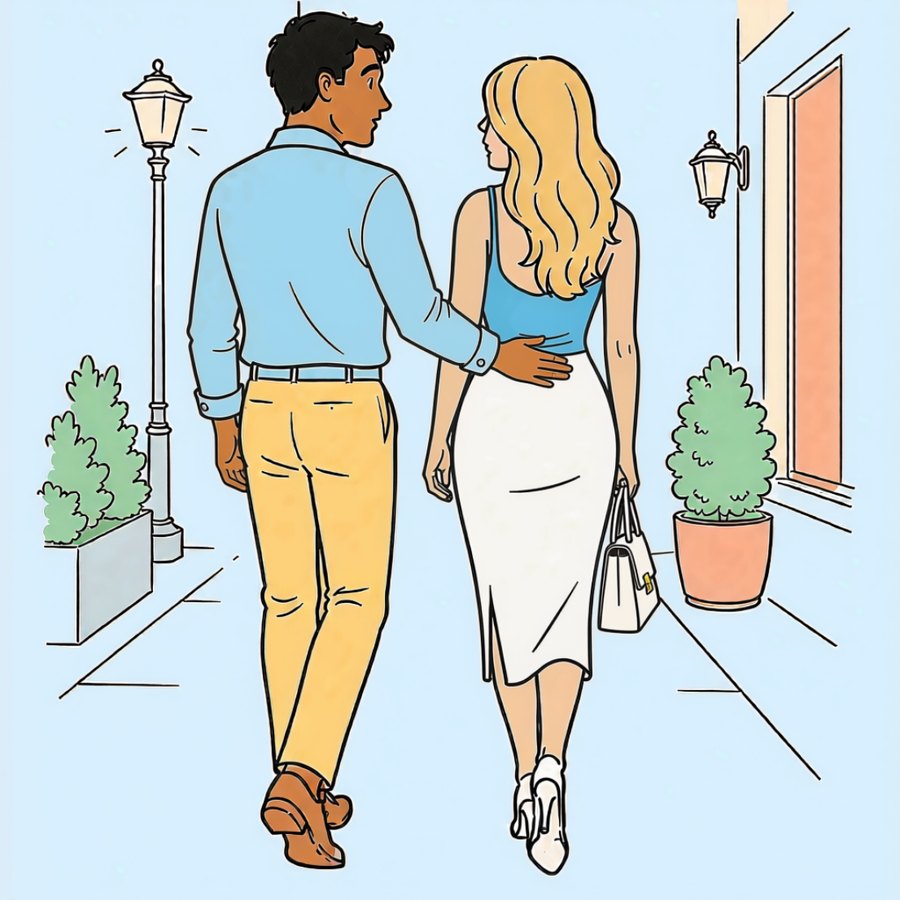
- Open with incidental touch. A light touch on the forearm to punctuate a laugh, a hand that briefly guides them through a doorway. Brief, warm, easy to not reciprocate.
- Watch what comes back. Do they lean in, mirror it, hold the moment? Or subtly create space? Their response is your instruction.
- Let it breathe. One warm touch that lands beats ten that feel like testing. There's no quota to hit.
- Escalate only as it's returned. A hand that lingers, a shoulder that stays close, walking arm in arm, each step should follow a clear signal that the last one was welcome.
Reading the signals
Comfort and interest look like leaning in, sustained eye contact, mirroring your touch, finding small reasons to be closer, relaxed and open body language. Discomfort looks like leaning away, crossing arms, stepping back, tensing, or going quiet. If you see the second set, ease off entirely and return to conversation, no sulking, no comment. Respecting that gracefully often builds more trust than the touch itself would have.
The end-of-date moment
The classic question is whether to kiss at the end. A few honest guidelines: if the date felt warm and the physical signals were mutual, a brief kiss can be lovely, but reading the moment beats defaulting to it. There is nothing wrong with not kissing on a first date. A great alternative is to name it: "I've had a really good time, I'd love to see you again," which keeps the warmth without pressure, and a hug or a light touch can carry plenty of connection. If you want to kiss and aren't sure, ask. Being turned down gently is survivable; making someone feel cornered is not.
A note on nerves
If touch doesn't come naturally to you, you don't have to force it. A warm, present, attentive person who never initiates physical contact is far more appealing than someone performing confidence they don't feel. You can also just be honest, "I'm not big on making the first move, but I've really enjoyed tonight" is charming and takes the pressure off you both.