 For everyone
Getting closer
For everyone
Getting closer
How to get closer, physically and emotionally
Published · 7 min read · By Julia, 4Keeps
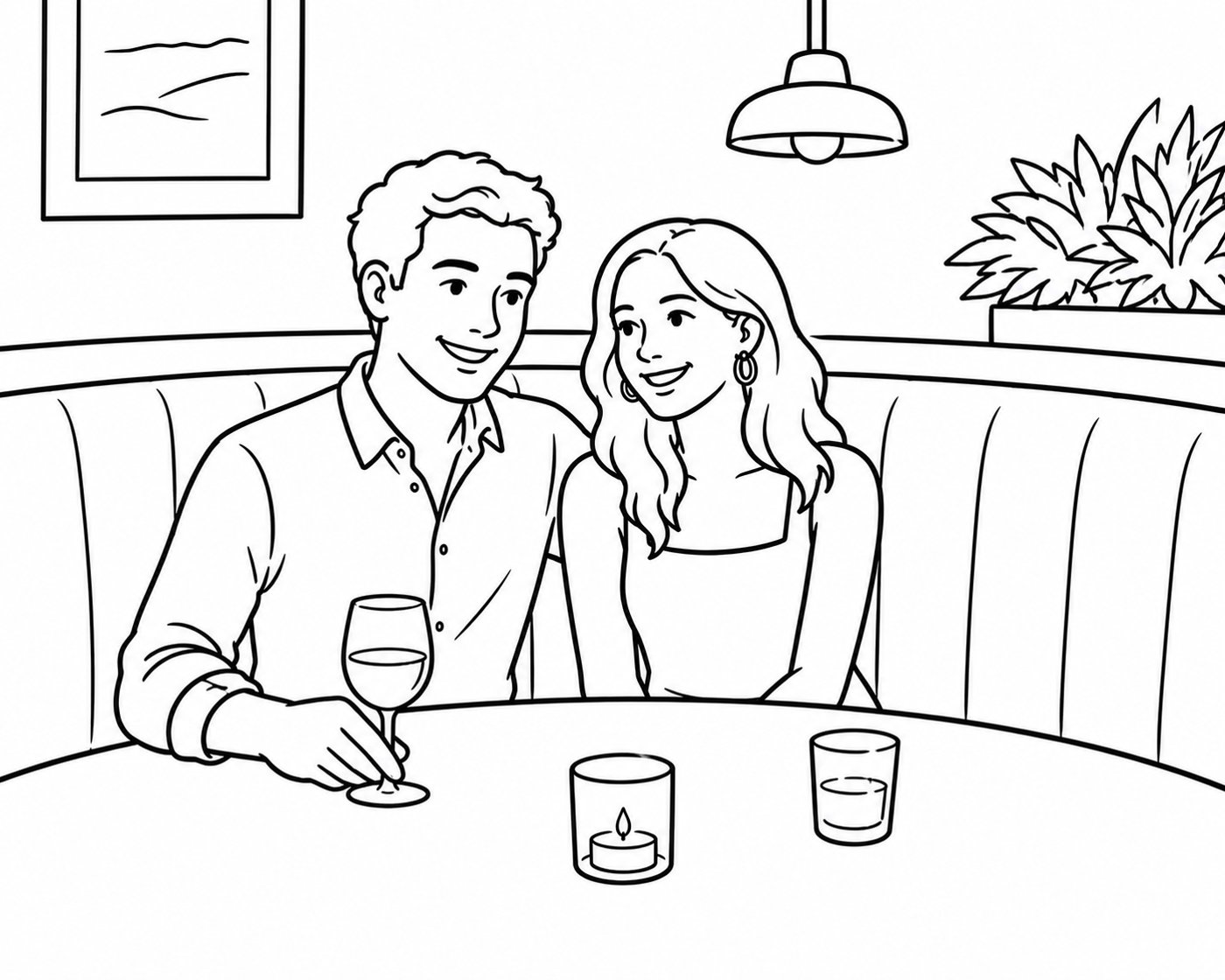
Getting closer to someone, whether it's the back half of a great first date or the first few weeks of something new, isn't a switch you flip. It's a rhythm of small, mutual steps, where each bit of openness invites a little more in return. The two kinds of closeness, physical and emotional, feed each other: emotional safety makes physical closeness feel natural, and gentle physical warmth makes it easier to open up. Rushed, either one feels like pressure. Paced well, they build the quiet certainty that this is safe.
Closeness isn't earned by grand gestures. It's built in the steady accumulation of small risks that both people keep choosing to meet.
The principle: reciprocity in small steps
Real intimacy grows through matched vulnerability. You share something slightly personal; they meet it and offer something back; you go a little deeper. The same is true physically, a touch offered and returned, then a little more. The skill is less about making bold moves and more about noticing whether your last small step was welcomed before taking the next one. When closeness is mutual, it accelerates naturally. When you're the only one escalating, that's information, not a problem to push through.
On a first date
A first date is about creating just enough closeness that you both want a second one, not about forcing intimacy. The setup matters more than most people think. Whenever you can, sit on the same side rather than directly across the table. Facing someone head-on subtly recreates an interview: two people with a barrier between them, sizing each other up. Sitting side by side turns it into two people looking out at the world together, and closeness starts to feel natural instead of staged. If a same-side seat truly isn't an option, angle yourselves so you sit perpendicular, at the corner of the table rather than squared off across it. The goal is simply to lose the face-off feeling.
From there, closeness on a date is built in small, reciprocal steps:
- Go first, a little. Vulnerability is contagious. Share a real opinion, a genuine hope, a small fear, and you give them permission to do the same.
- Move past the highlight reel. Trade "what do you do?" for what you actually care about, what you're figuring out, what moves you. Depth invites depth.
- Make it safe to be honest. When they share something real, meet it with warmth, not judgment or a rush to fix. Feeling accepted is the whole foundation.
- Let there be some silence. Comfortable quiet is its own kind of intimacy. You don't have to fill every gap to feel connected.
- Let physical closeness build in increments. Incidental touch, then lingering touch, each small step following a clear, welcoming response to the last. Enthusiasm is the green light; hesitation is a stop.
- Don't outrun the emotional pace. Physical closeness that gets far ahead of emotional trust tends to create anxiety, not connection. Let the two roughly keep step.
Early on in the relationship
Once you're past the first few dates, closeness deepens through consistency more than intensity. Regular contact, following through on plans, small acts of thoughtfulness, and steadily letting each other further in build a foundation that a few dramatic nights never will. Remember the things that matter to them and follow up: asking about the thing they were nervous about last week tells them they're seen and held in mind.
Resist the urge to fast-forward to full intimacy to lock things in. Real closeness can't be rushed, and trying usually signals anxiety rather than connection. Let both the emotional and physical sides unfold at a pace that feels safe to both of you, each step offered and returned before the next one.
When it's not mutual
Sometimes you'll reach for closeness and it won't be met: they stay on the surface, keep their distance, don't reciprocate the effort. That's painful, but it's a genuine kindness in disguise, because it tells you early where they are, so you can stop pouring into something one-sided. The right person meets your openness with their own. Closeness with them won't feel like coaxing. It'll feel like both of you, gladly, choosing to close the distance.